By clicking “Accept All Cookies,” you agree to store cookies on your device to enhance site navigation, analyze usage, and assist in marketing efforts. View our Privacy Policy for more information.

Overcoming Extreme Climate Challenges: Parcel Lockers That Work in the Arctic Circle

Insights
17
.
02
.
25
Insights
17
.
02
.
25
Date

Overcoming Extreme Climate Challenges: Parcel Lockers That Work in the Arctic Circle

From Innovation to Intelligence

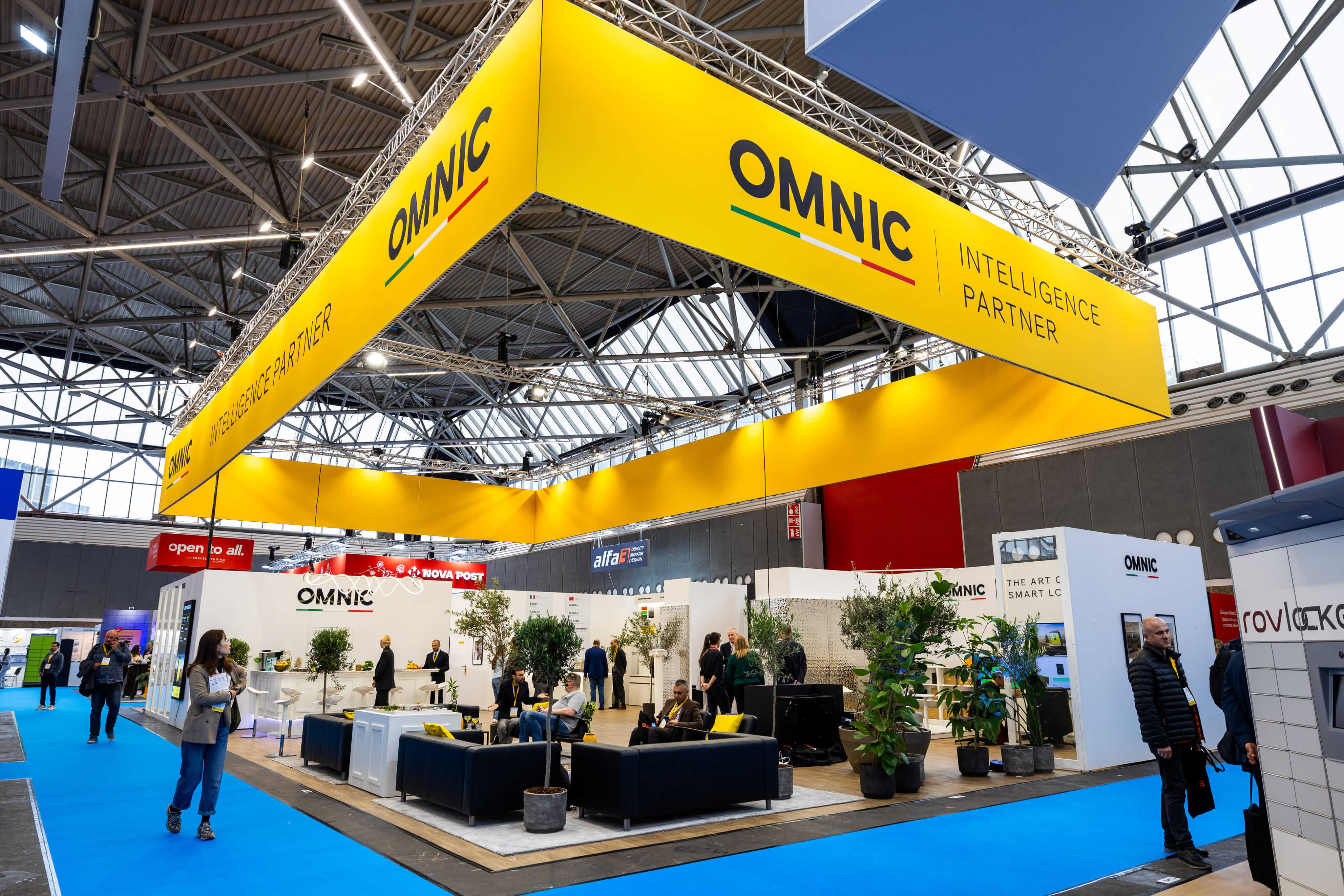
The Parcel+Post Expo 2025 in Amsterdam became a defining moment for OMNIC

Download the whitepaper

Thank you!
Your submission has been received!
Oops! Something went wrong while submitting the form.

Download the whitepaper

Thank you!
Your submission has been received!
Oops! Something went wrong while submitting the form.
Thank you!
Your submission has been received!
Oops! Something went wrong while submitting the form.

Download the whitepaper

Thank you!
Your submission has been received!
Oops! Something went wrong while submitting the form.

Download the whitepaper

Thank you!
Your submission has been received!
Oops! Something went wrong while submitting the form.

Learn more

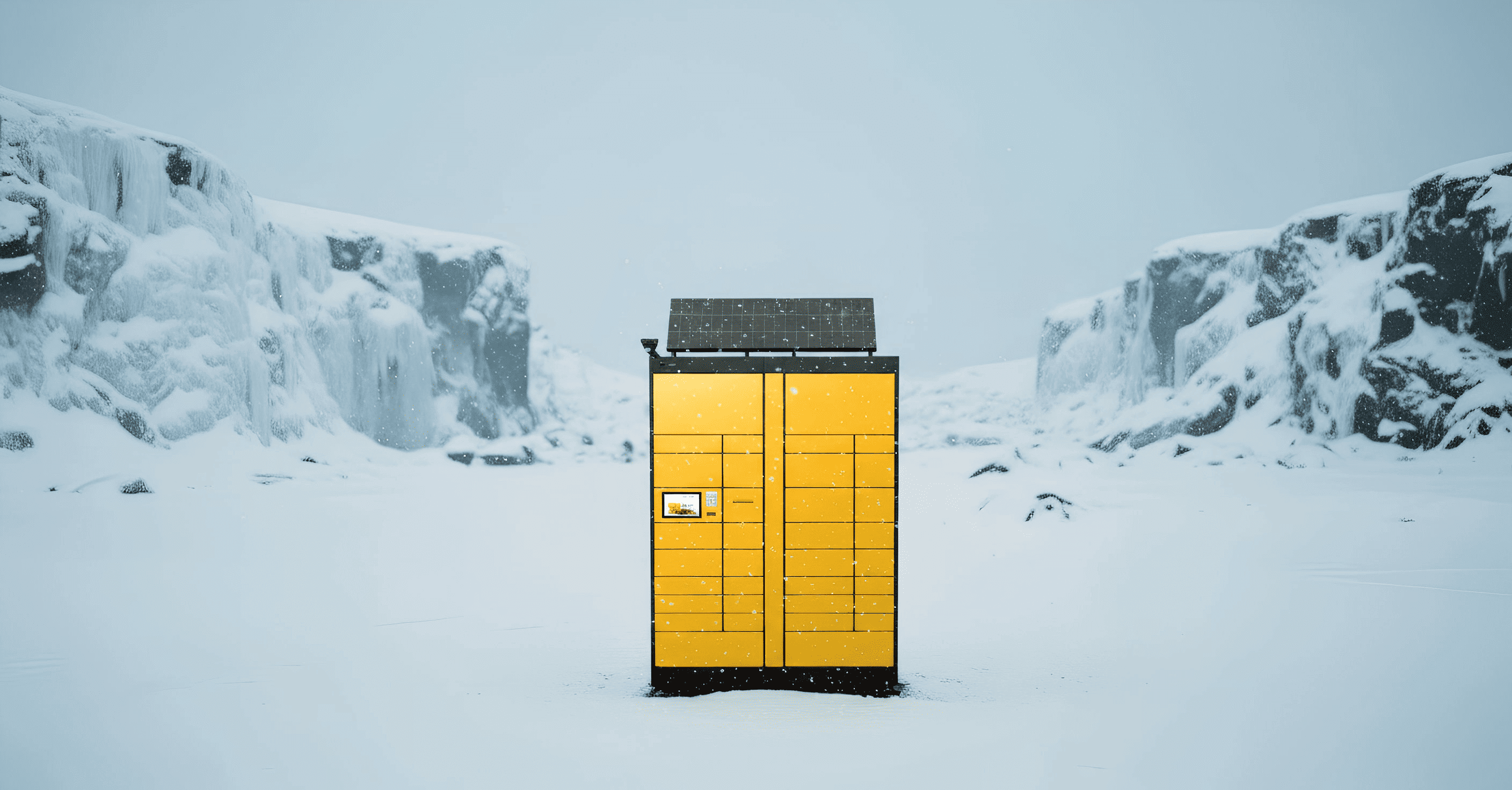
Can parcel lockers survive sub-zero temperatures and freeze-thaw cycles?

Countries in the far north offer valuable lessons for building cold-weather logistics strategies that actually work.

When temperatures plunge below zero and ice builds up overnight, it’s not just people who feel the pressure — last-mile infrastructure does too. In Arctic and sub-Arctic regions, parcel lockers face one of the harshest operational environments in the world: moisture, snowdrifts, and rapid freeze-thaw cycles that can compromise even the strongest equipment.

Yet experience shows that performance in such conditions depends on more than materials alone. It’s about foresight — understanding how local climate patterns, terrain, and water proximity affect locker operation year-round.

Across cold regions, simple yet data-driven measures help ensure reliability:

  • Selecting sites with micro-climate awareness to avoid humidity traps;
  • Designing for airflow and drainage to prevent condensation and ice build-up;
  • And performing seasonal maintenance before temperature swings occur.

Sometimes, relocating a locker just a few hundred meters away from a river or shaded area can prevent freezing issues for an entire year.

The main insight for global planners is clear: successful parcel locker networks are not only well-engineered — they are well-adapted. Building resilient last-mile infrastructure means respecting the environment it operates in and planning every site with long-term stability in mind.

Want to know more?

Thank you! Your submission has been received!
Oops! Something went wrong while submitting the form.

Developing innovative self-service solutions

If you have any queries or require further details, simply fill out the contact form and our specialist will get back to you.

Julia Lockman

Chief Business Developer Officer

Submit

Thank you!
Your submission has been received!
Oops! Something went wrong while submitting the form.

Want to cut down operational costs with self-service solutions?

Let's schedule a meeting at your convenience via Calendly!

Book a meeting

Valid number