
.svg)
.svg)
.svg)


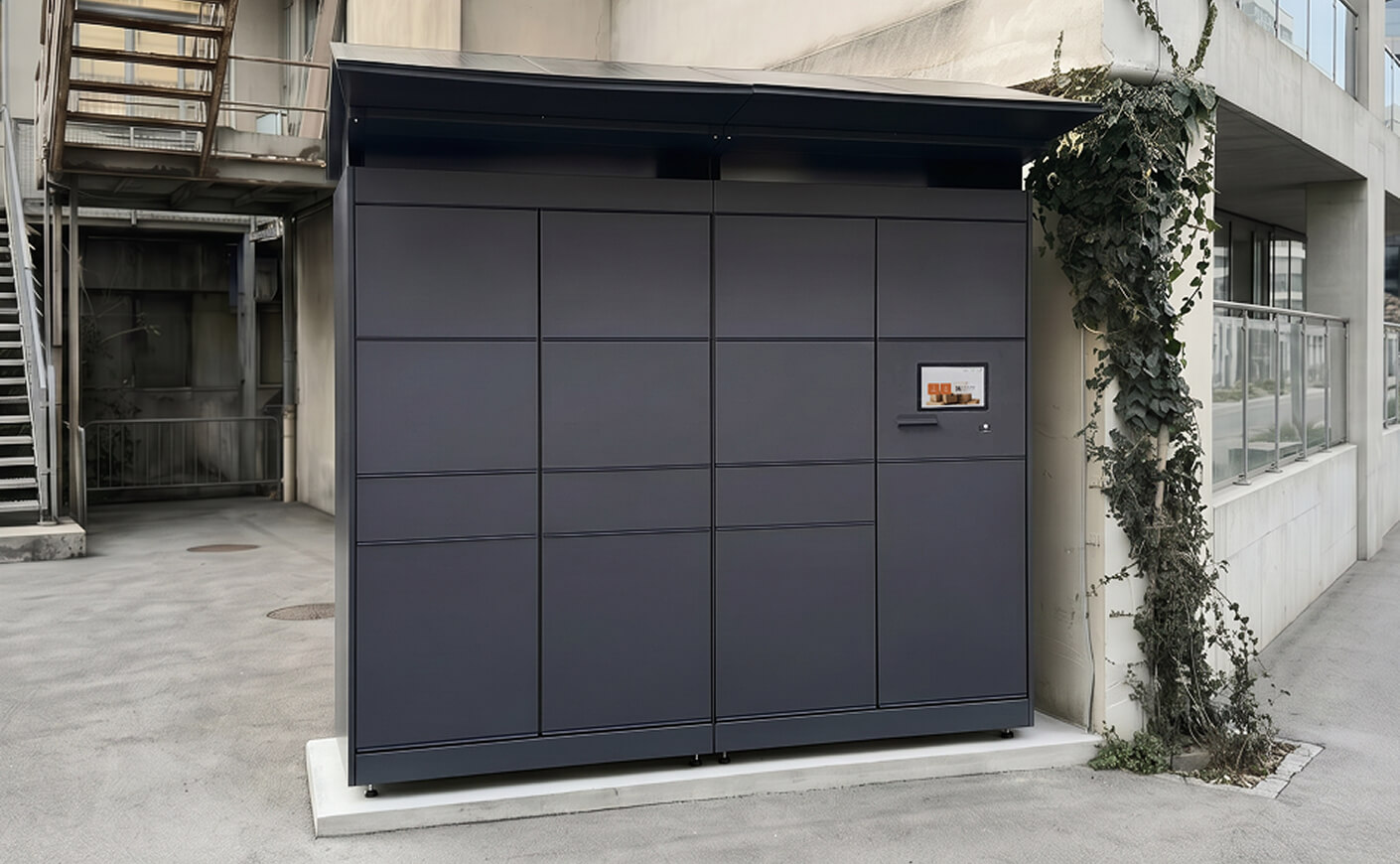
Enterprise-scale parcel locker infrastructure for high-volume daily logistics operations.
A national out-of-home network for one of Europe's largest parcel operators — built to keep releasing parcels when power and connectivity fail
TIER 1 OPERATOR
Always on
NATIONWIDE
%20(1)%20(1)%20(1).jpg)
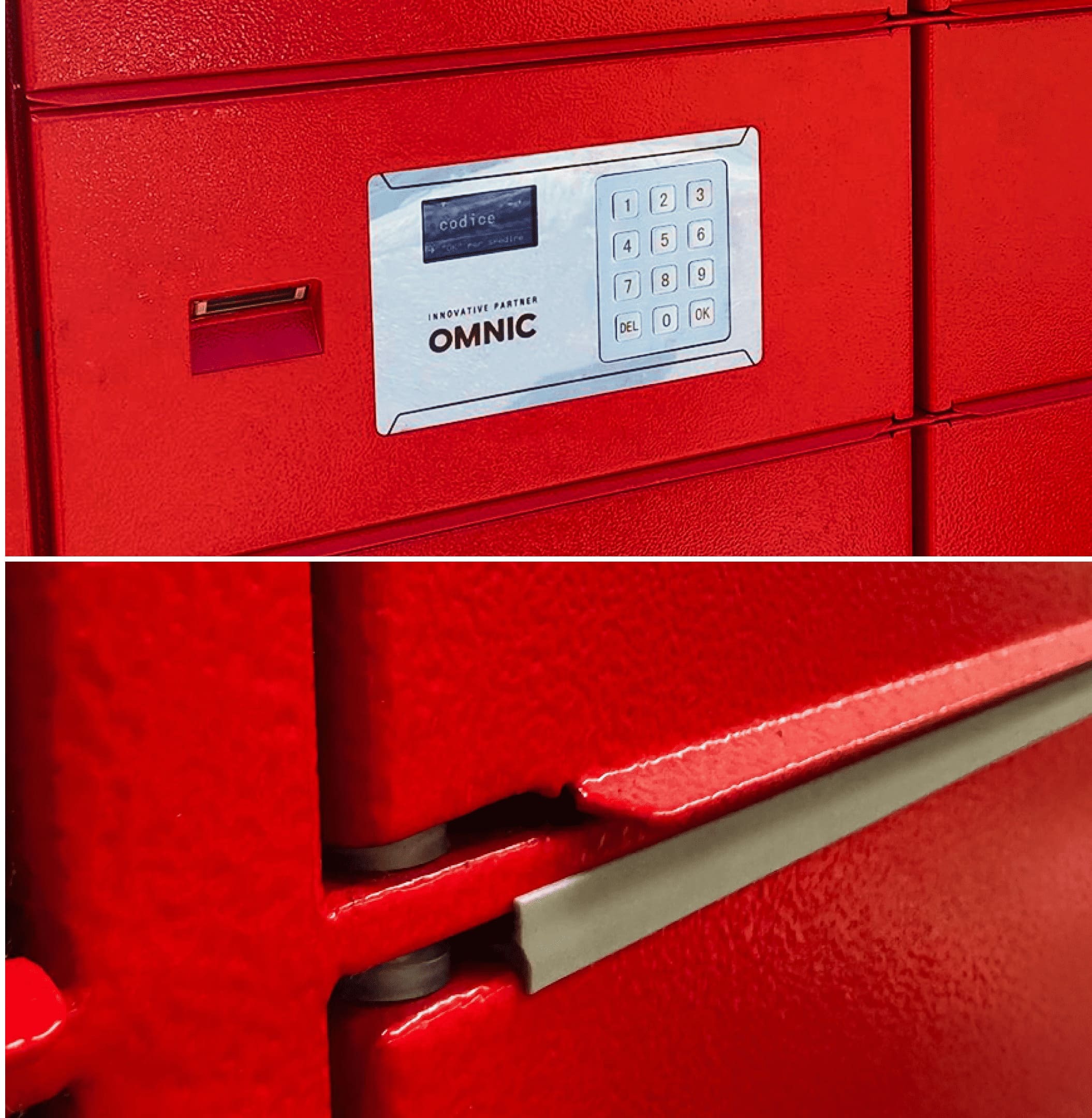
Out-of-home delivery is becoming infrastructure
Across Europe, parcel delivery is shifting beyond the traditional door-to-door model. Growing e-commerce volumes, tighter urban access rules, and changing customer expectations are accelerating the development of out-of-home networks.
At national scale, lockers are no longer an additional delivery channel. They become distributed logistics infrastructure — customer-facing, operationally critical, and expected to perform every day. The question is no longer only how quickly a network can be deployed. It is whether it remains available and manageable under imperfect real-world conditions.
The challenge
A Tier 1 European parcel operator needed to expand its out-of-home capacity across a national market. The objective was not simply to install more lockers. It was to create an operating model that could scale across different regions, site conditions, and infrastructure realities while keeping parcel pickup continuously available.
Every site introduced variables: power availability, connectivity, installation complexity, monitoring, and ongoing service. Battery-only operation can simplify initial deployment but creates operational pressure across a distributed network through maintenance cycles, service visits, and downtime risk.
The operator needed a hybrid on-grid and off-grid model with solar-assisted power — reducing dependency on local infrastructure, routine battery servicing, and site-specific installation work. Hybrid power was not chosen to solve an energy problem. It was chosen where it let the operator take a location faster and more cheaply than a grid connection would allow, and across a national rollout that is what decides how quickly the network can grow at all.
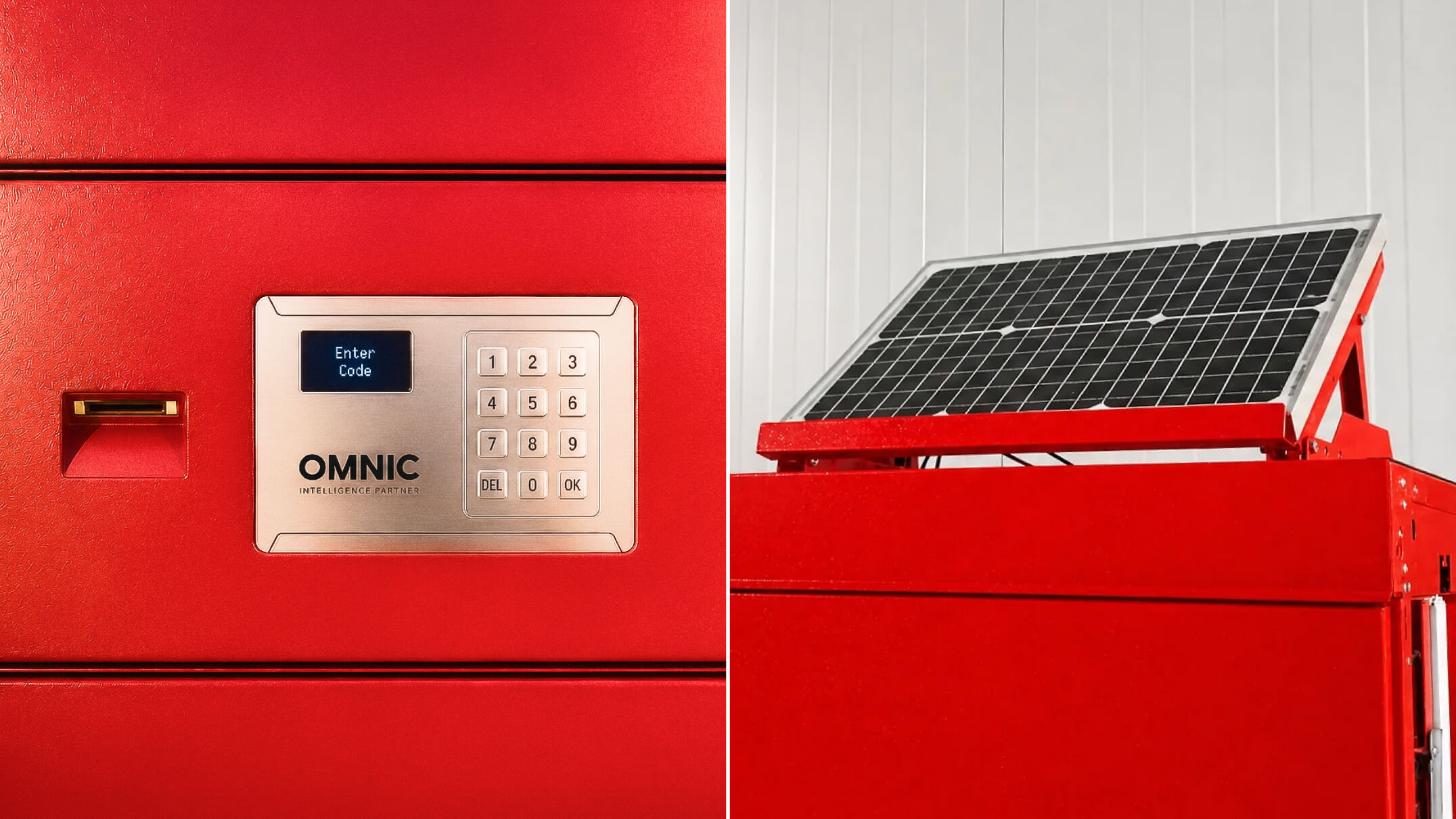
How we approached it
OMNIC supported the rollout as an Intelligence Partner, not simply a hardware supplier. The network was designed as one connected operating system combining autonomous locker hardware, low-power electronics, local device logic, remote monitoring, Log OS, installation support, and lifecycle service.
The critical requirement was service continuity. Local device logic allows the locker to preserve essential functionality during power interruptions, unstable connectivity, or temporary loss of communication with the central platform.
Even under disrupted conditions, the essential customer journey remains available: parcel pickup.
.jpg)
What the first year proved
Laboratory testing matters, but logistics infrastructure is ultimately proven in the field — across variable weather, unstable power, weak connectivity, uneven usage, and imperfect sites.
The hybrid operating model reduced the need for extensive site preparation, cabling, and local infrastructure adaptation. This gave the operator greater flexibility when activating new locations and reduced operational friction during rollout. Instead of managing each locker as an isolated asset, the operator gained one connected operating environment with centralized visibility and incident control.
A locker network is judged not by how fast it gets installed, but by how well it performs once customers start using it every day.
The first year validated the model across every region of the market — not a pilot corridor, not a single metro area, but national coverage under real operating conditions.
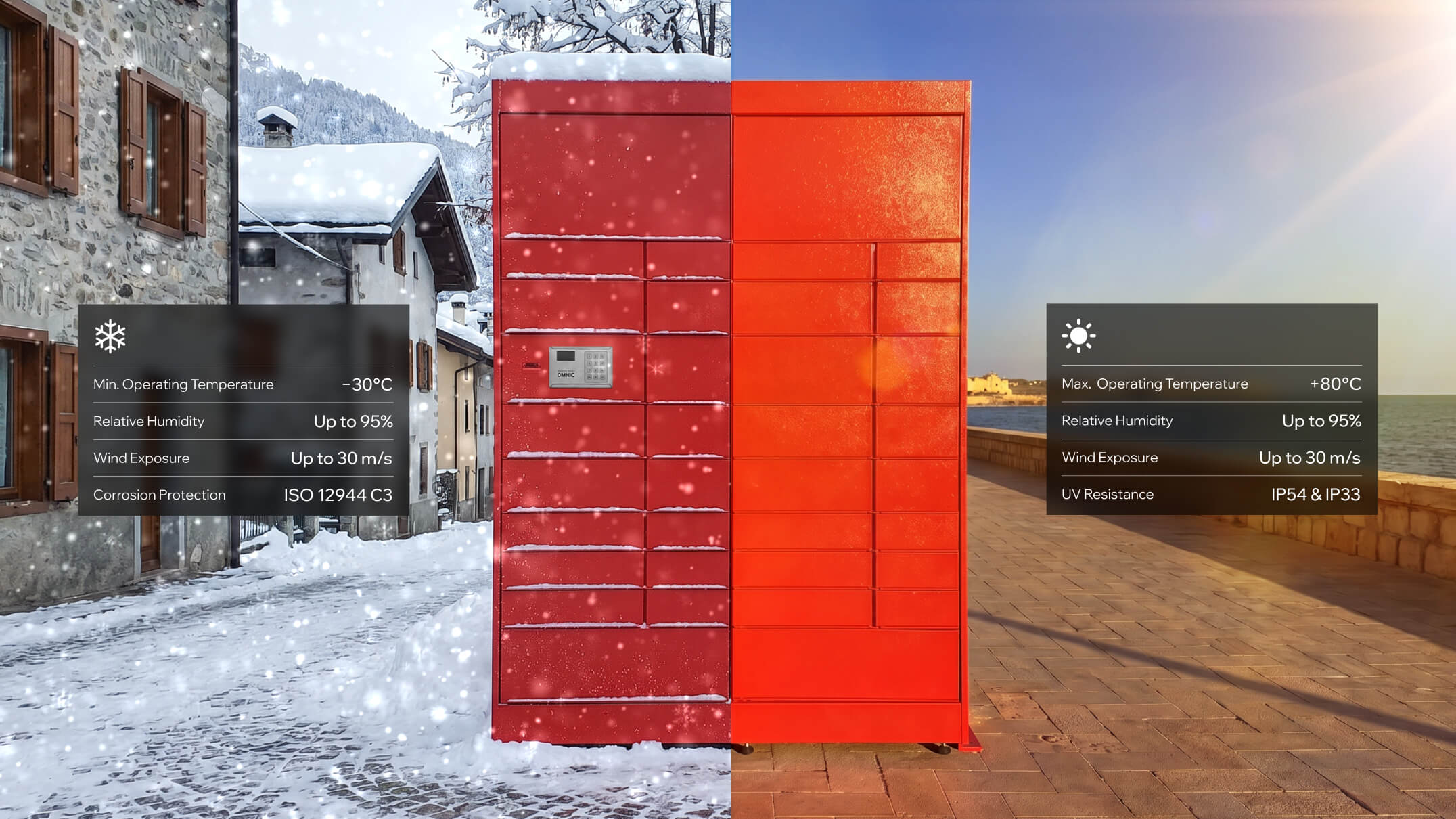
What this case proves
Every OMNIC locker is built to operate on its own. Local device logic keeps pickup and drop-off running even when connectivity drops or the server goes silent — the network degrades gracefully instead of failing. Low-power architecture extends this independence further, enabling long autonomous operation and solar-assisted deployment where fixed power isn't an option.
Above the hardware sits Log OS: one platform for monitoring the entire network, managing incidents, and seeing every locker's status in real time. And because infrastructure is only as good as its upkeep, deployment, installation, maintenance, and service are connected within a single operating model — one partner, accountable end to end.
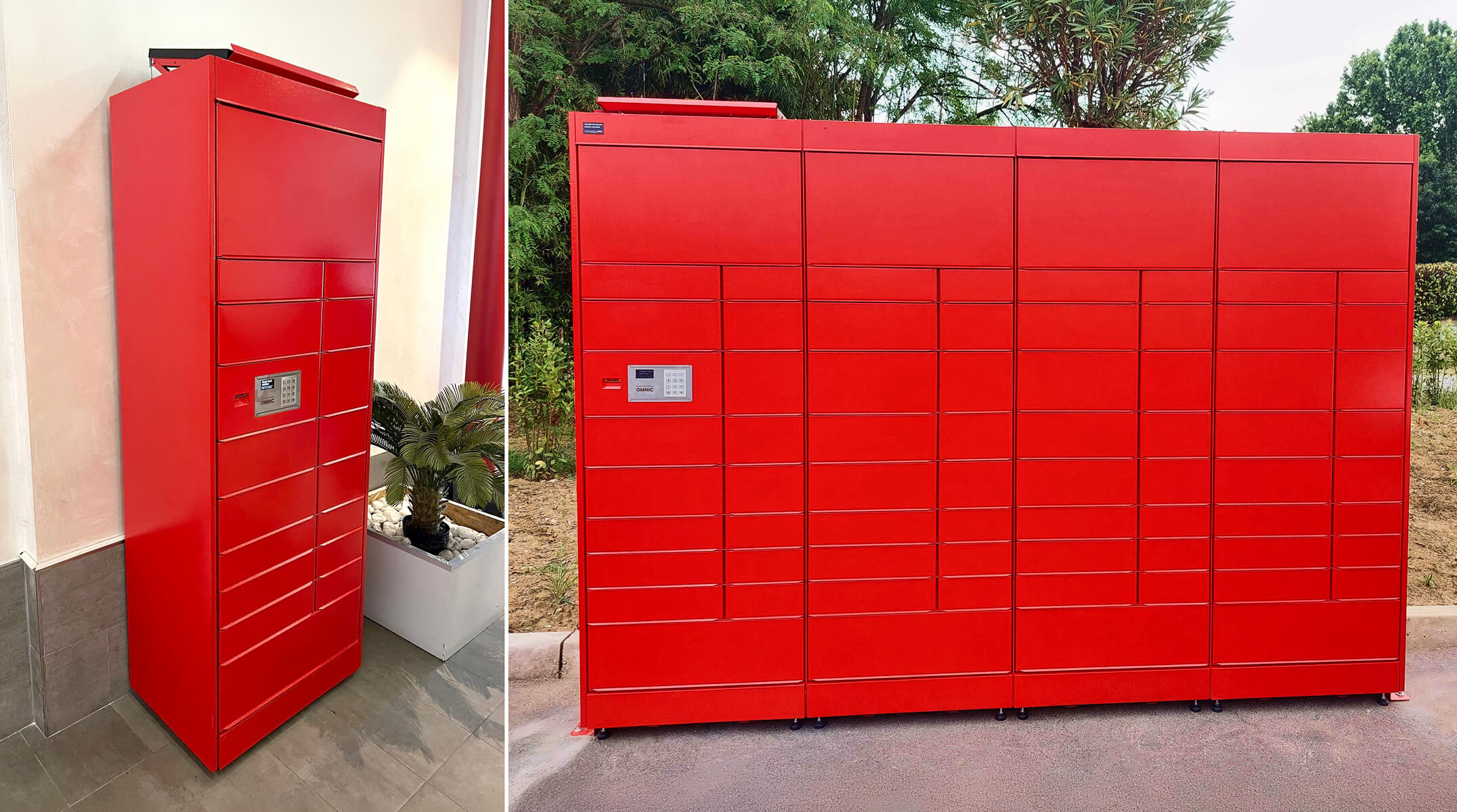
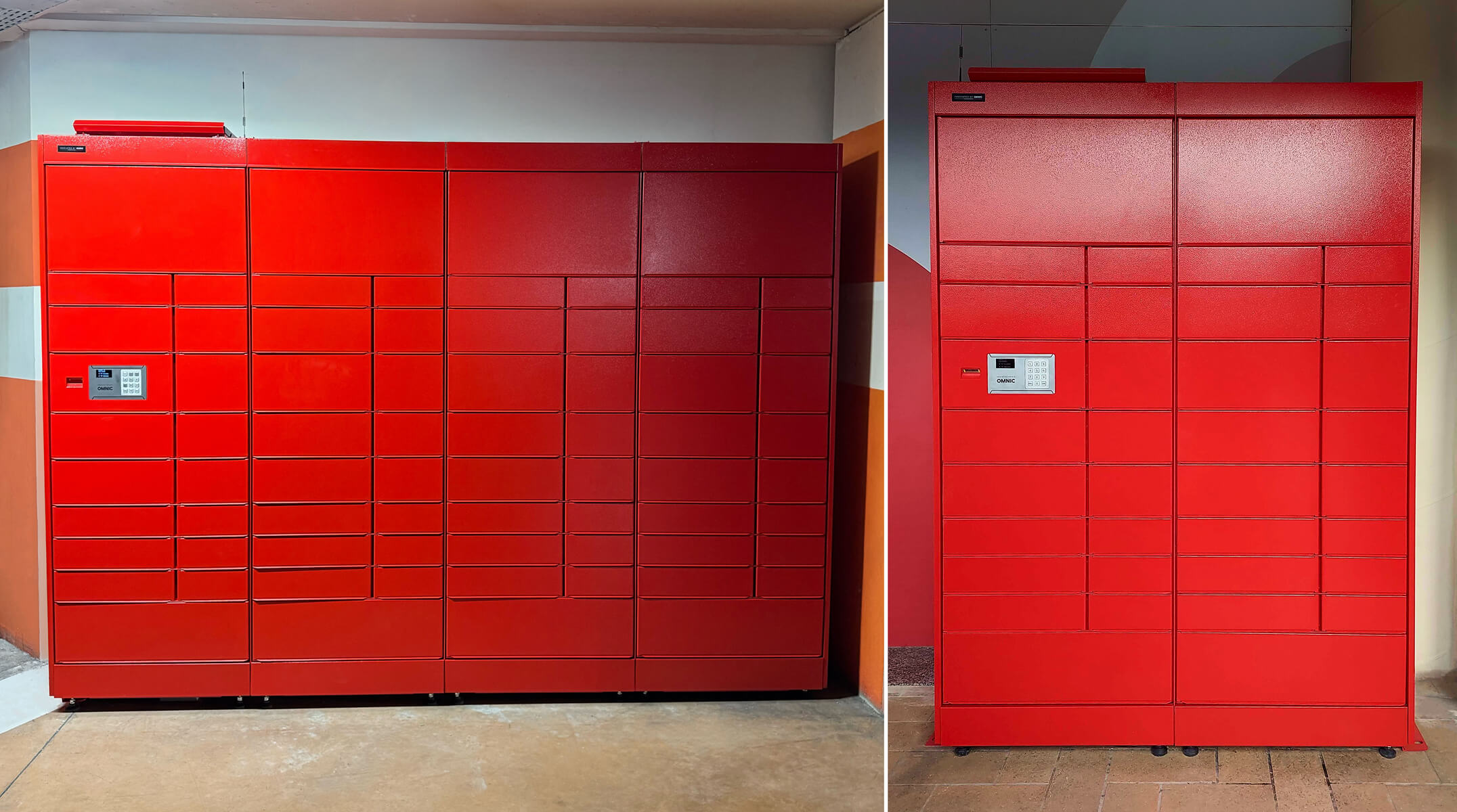
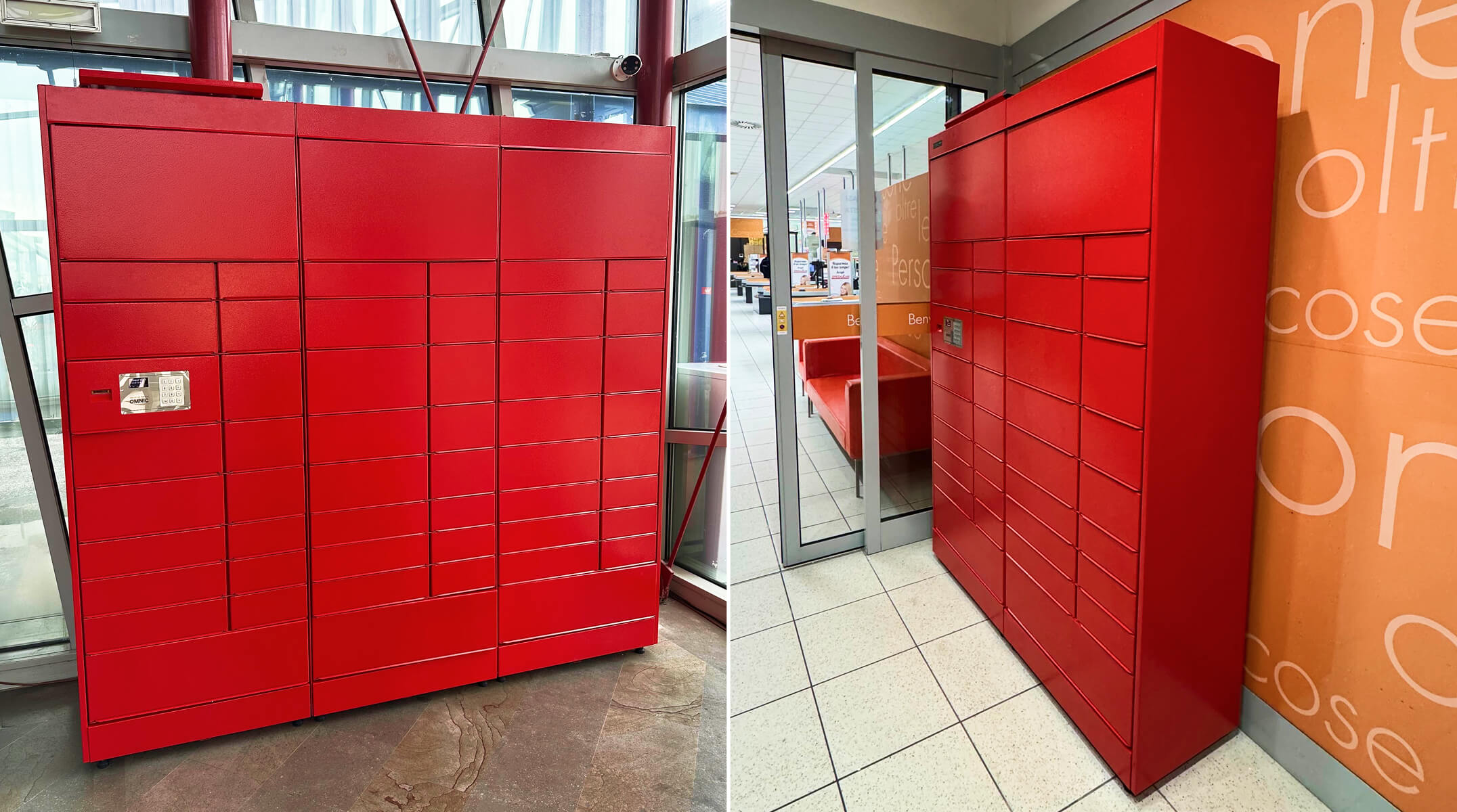


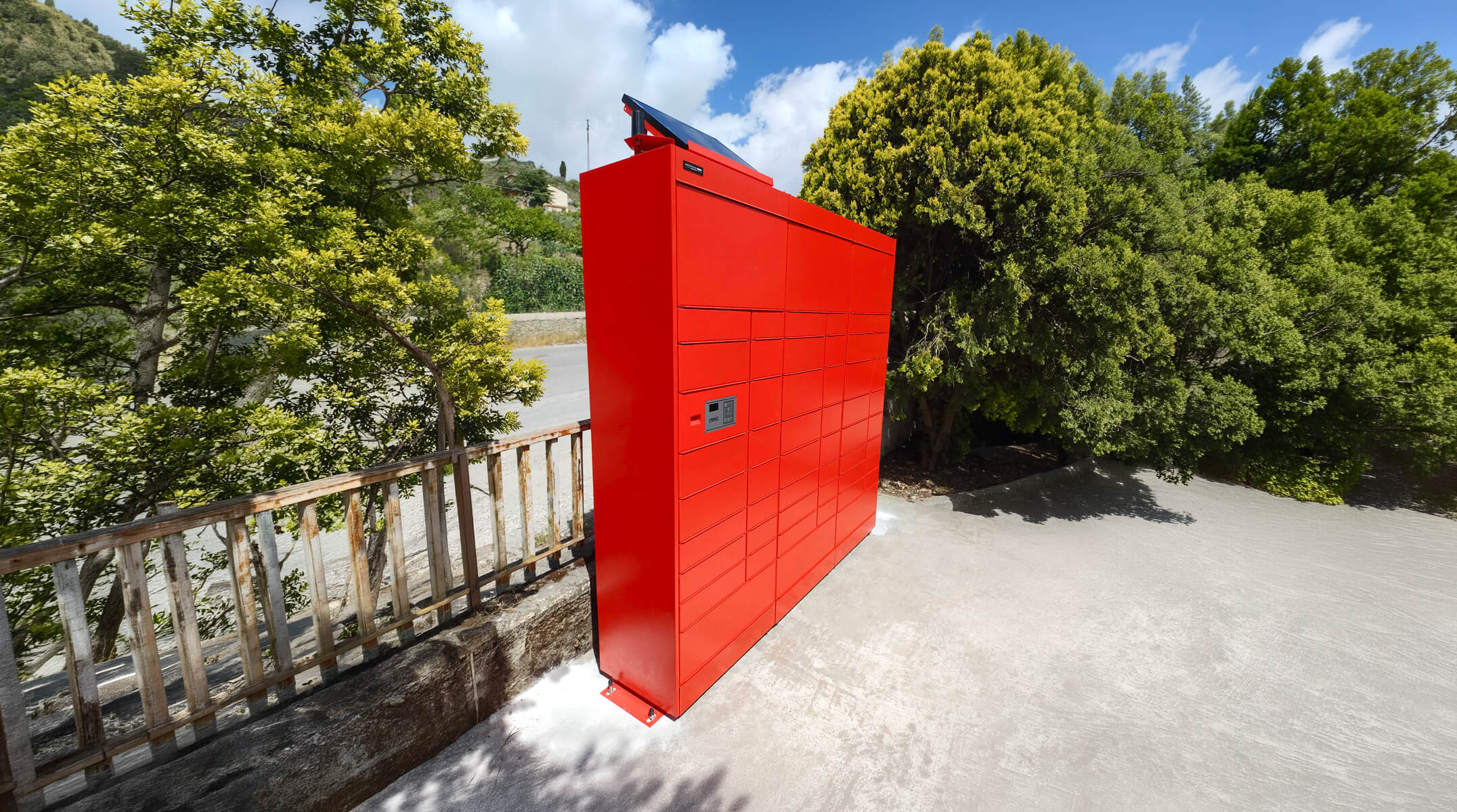
This case demonstrates that a parcel locker network can scale without making local site infrastructure the limiting factor. By combining low-power hardware, local intelligence, centralized monitoring, and lifecycle support, OMNIC created a resilient operating model designed for continuous parcel pickup across a distributed national network.

About OMNIC
OMNIC is an Italian technology company headquartered in Milan, building intelligent infrastructure for real-world operations since 2012.
countries with active operations
patents across Europe and the US
self-service solutions on one platform
design, manufacturing, deployment and service
Other case studies


.jpg)
From fragmented operations to one intelligent system.
Julia Lockman
LEAVING WITH
QUESTIONS?
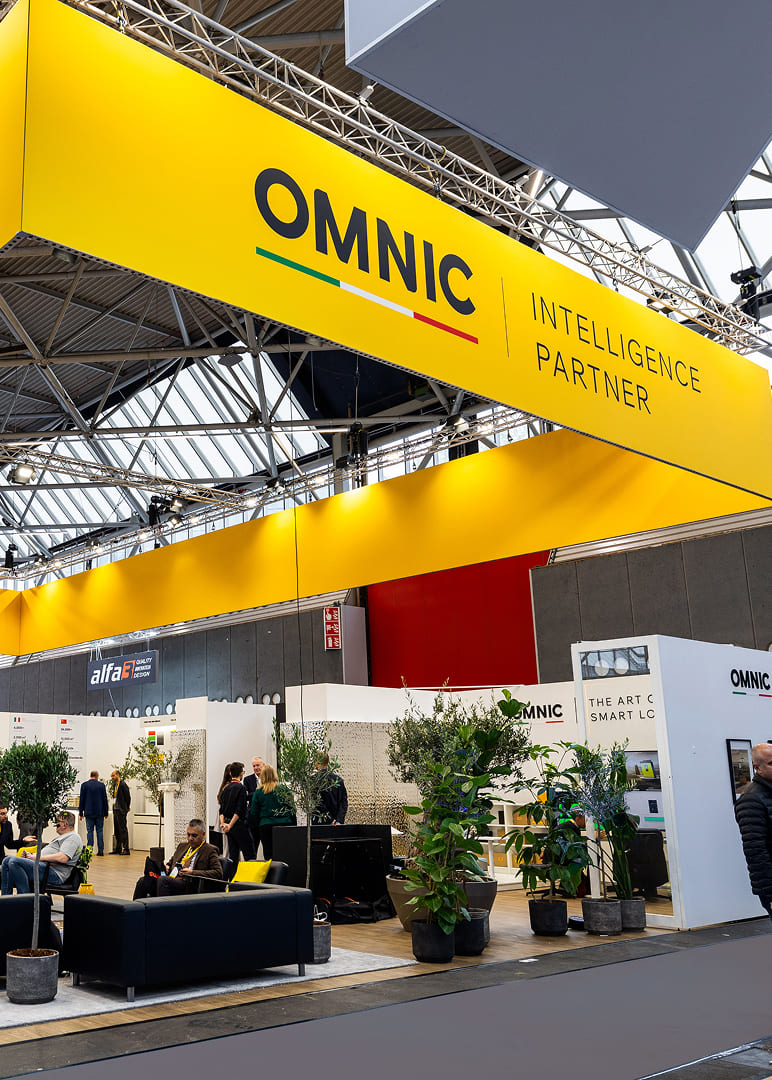
Bring them to stand C32 — the people who design, build and run these networks answer in person.


%20(1).jpg)



.svg)