

.svg)
Learn more
.svg)






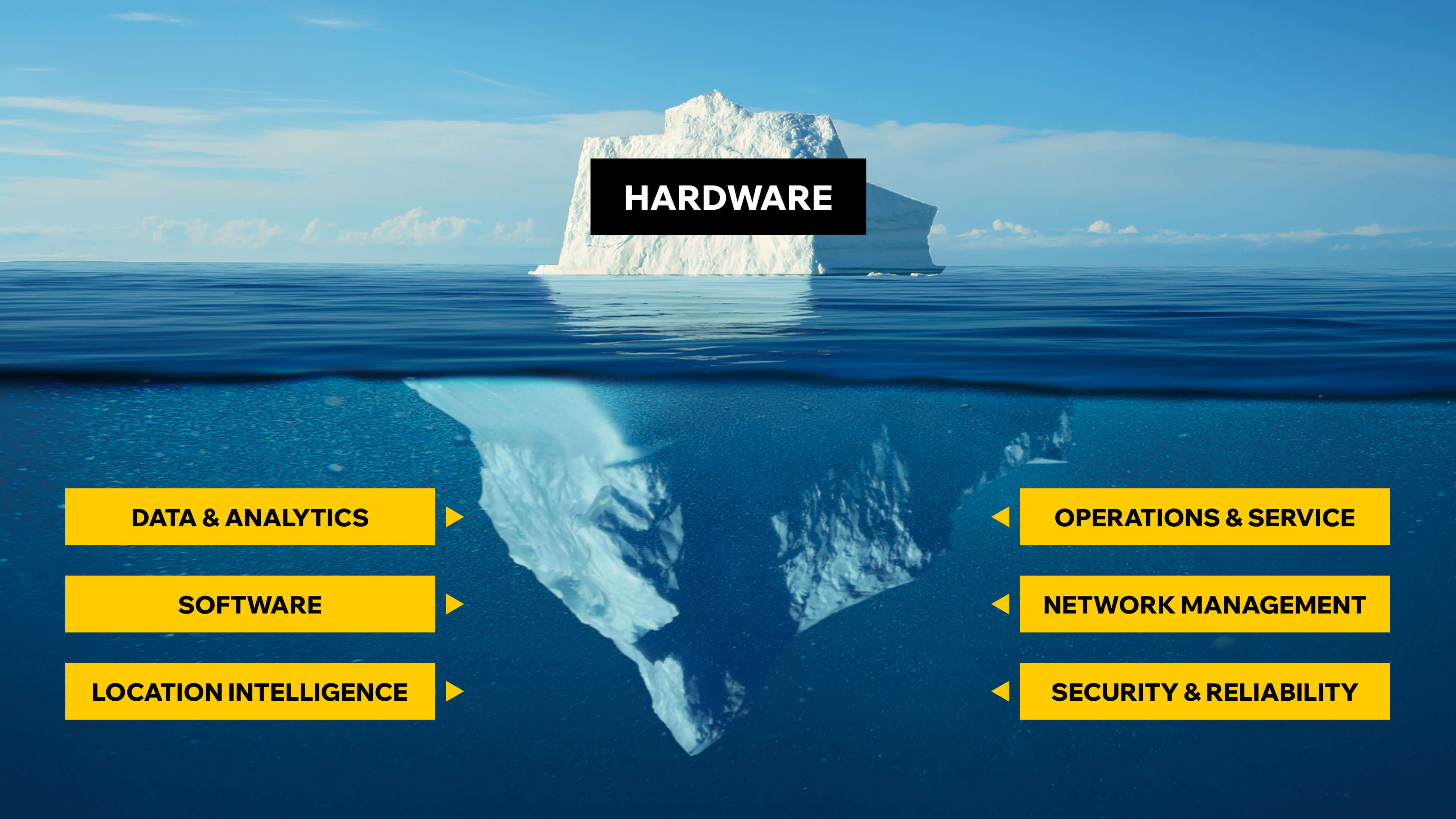
Many parcel locker initiatives struggle for a simple reason: lockers are treated primarily as hardware.
A locker is easy to understand — doors, compartments, a screen. Because it is physical and visible, it’s tempting to believe that the rollout itself defines the strategy: purchase units, install them in busy places, connect basic software, and the benefits will naturally appear.
But the real performance of an out-of-home network exists beyond what users see.
Behind every locker door sits the actual system: data, operational rules, location strategy, exception management, and the behavioral patterns the network creates — or fails to create.
In simple terms:
a parcel locker network is not a collection of lockers. It is a system that shapes behavior.
Until that system exists, what you have is infrastructure — not a functioning network.
This article describes the mindset I use when evaluating parcel locker networks: how to design them, how to make them perform, and how to ensure they are genuinely convenient for users.
When speaking with operators — especially during the early stages of deployment — I usually ask a simple question:
What exactly are we building?
The difference matters.
Adding lockers alone does not automatically create reliability, adoption, revenue, or sustainability. A network can contain hundreds of units and still fail to function effectively.
A system is not defined by quantity. It is defined by whether all components operate together as a coherent mechanism.
Three characteristics usually indicate that a real system exists.
A functioning system begins with understanding how lockers are used.
Who interacts with them?
At what time of day?
How often?
Under what real-world circumstances?
Important indicators include peak periods, idle time, dwell duration, missed pickups, courier waiting time, door failures, and capacity conflicts.
Without this understanding, what you have is hardware — not a system.
When a locker network works well, customers stop thinking of it as an optional delivery method.
It becomes the obvious way to receive and send parcels.
Customers gain convenience, safety, and accessibility.
Operators gain predictable performance and scalable economics.
If value cannot be measured, it cannot be managed — and it cannot be improved.
That is why statements such as “we installed X lockers” rarely describe real success.
The real question is different:
Has a system actually emerged?
Important indicators include peak periods, idle time, dwell duration, missed pickups, courier waiting time, door failures, and capacity conflicts.
Without this understanding, what you have is hardware — not a system.
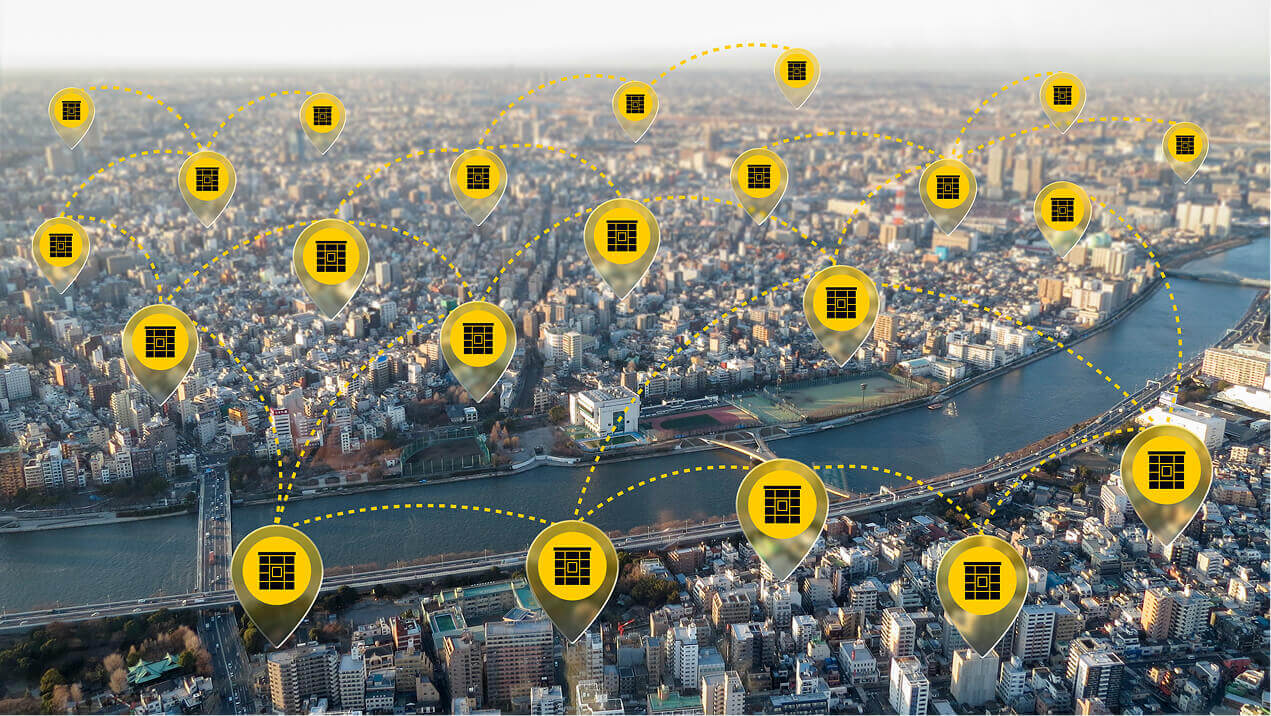
Operators often describe locker networks using logistics metrics: cost per parcel, route optimization, network density, or emissions.
Customers rarely think in those terms.
Most people act on a few simple questions:
For this reason, parcel lockers function less as a “service point” and more as a behavior-shaping tool.
And behavior cannot be optimized later. It must be designed from the beginning.
Decisions that appear technical often determine adoption.
For example:
In other words, a locker is never neutral.
Every installation implies a user and a usage scenario.
The best operators therefore ask a different question.
Not “Where can we install lockers?”
but:
“Where does locker usage naturally fit into everyday routines?”
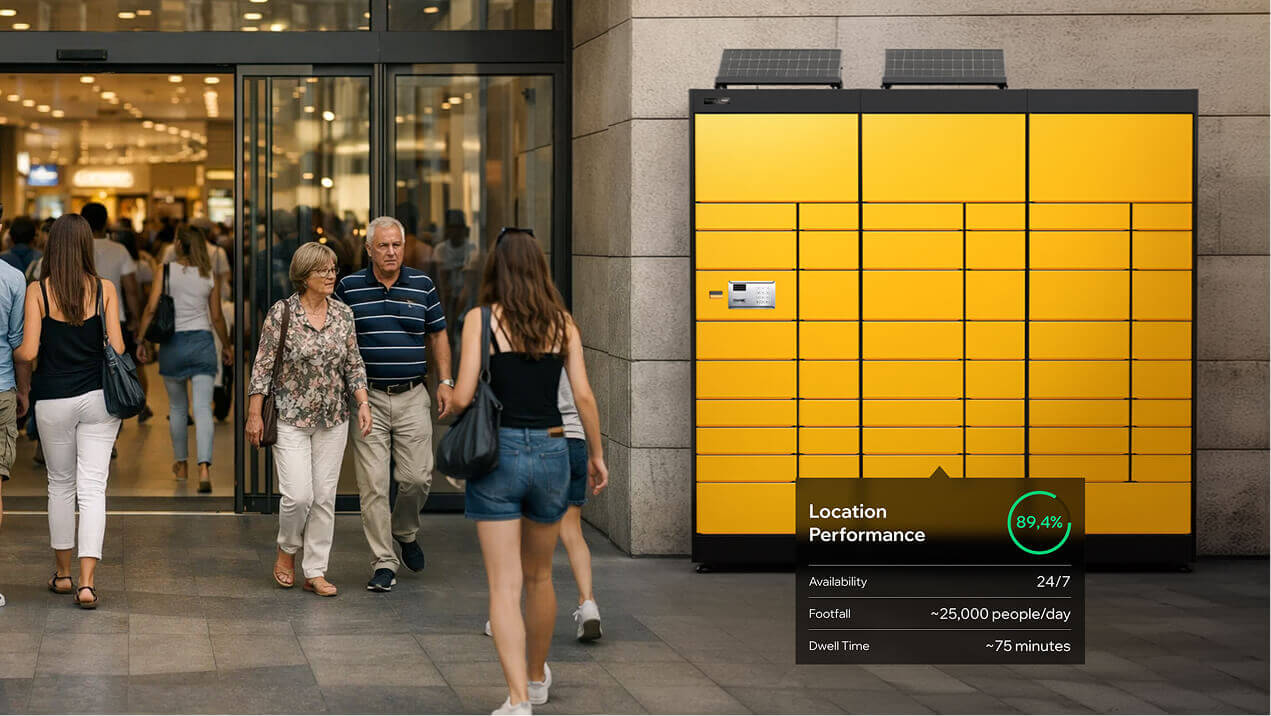
There is no universal locker network that can simply be copied from country to country.
Even when the equipment is identical, the surrounding conditions are not.
Many deployments fail because planning focuses on specifications while ignoring context — especially the context that rarely appears in technical documentation.
Several factors significantly influence performance.
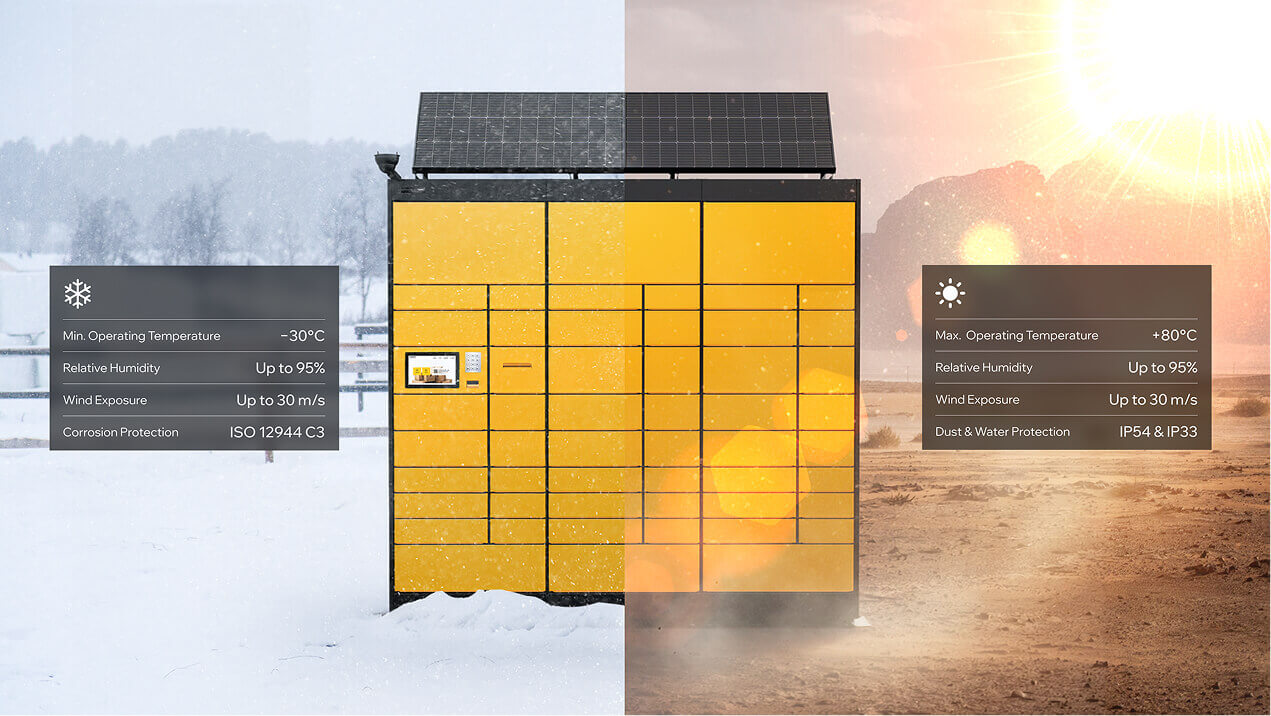
Heat, cold, humidity, and coastal environments affect durability, maintenance cycles, failure rates, and customer comfort.
A locker placed near the sea may require different materials to prevent corrosion.
A locker in extreme heat may influence when and how people interact with it.
Let's schedule a meeting at your convenience via Calendly!
Some markets are primarily pedestrian. Others are strongly car-oriented.
In walkable cities, lockers can succeed in street locations integrated into daily routes.
In car-oriented environments, indoor hubs connected to parking areas may perform better.
These differences influence:
Even within the same region, markets differ.
Regulations, economic structures, and cultural norms shape logistics behavior.
The Middle East, for example, is not one uniform market.
The UAE differs from Saudi Arabia.
Saudi Arabia differs from Egypt.
The same applies to Europe: each country operates according to its own regulatory and behavioral context.
Every ecosystem evolves at its own speed.
Every city follows its own logic.
A customer sees a locker door.
A courier sees a workflow.
But the business value exists behind the door — in the operational system.
Modern lockers generate extensive operational data.
But data itself has little value.
Value appears only when data leads to decisions and actions that improve performance.
Out-of-home delivery is rarely defined by perfect scenarios.
It is defined by exceptions:
A strong network does not assume exceptions are rare.
It designs operations specifically to manage them.
This is also where many operators misunderstand user experience.
UX is not only the interface.
UX includes:
If exceptions are poorly managed, customer trust declines — and locker usage never becomes habitual.
If lockers are managed as a system, the system itself must be measured.
Deployment numbers alone are not enough.
A useful metric framework usually includes several categories.
The goal is not to accumulate endless KPIs.
data → decisions → operational actions → improved results
A locker is a product.
A network is a system.
And the system determines adoption.
The operators who succeed are not those who install the largest number of lockers.
They are those who build the most reliable mechanism aligned with real user behavior.
This requires:
When these elements come together, the locker stops being an alternative delivery method.
It becomes part of everyday life.
And that is when the network truly starts to perform.

Head of Research at Kyburz

Founder & CEO at Mily Technologies

The Information Factory

Co-Founder and COO at Shiptimize

Se hai domande o hai bisogno di ulteriori dettagli, compila il modulo di contatto e ti risponderemo a breve.
%201.svg)
Sii il primo a conoscere tendenze del settore, strategie e utili insights





.svg)